
control. Documentation, customs coordination and cargo-release support across the import and export process.
Helping cargo move through the compliance process.
Customs clearance involves accurate declarations, supporting documents, assessment, examination where applicable, duty and regulatory compliance, and the final release of cargo.
For imports, Chennai Customs describes the Bill of Entry as the key declaration for clearance, with documents such as the invoice, packing list, Bill of Lading or Airway Bill and other applicable documents supporting the process. Export cargo follows the Shipping Bill and examination/clearance process.
From documents
to delivery.
Every shipment follows its applicable customs and regulatory requirements. The exact steps can vary by cargo, port, mode and applicable regulations.
Document Review
Review commercial and shipping documents, cargo details and information required for the declaration.
Declaration
Coordinate the applicable customs declaration, including Bill of Entry for imports or Shipping Bill for exports.
Assessment
Support the assessment process and coordinate responses to applicable customs queries or requirements.
Examination
Where examination is ordered, coordinate the cargo presentation and required documentation with the relevant parties.
Duty & Compliance
Coordinate applicable duty/payment requirements and supporting compliance documentation.
Release
Follow the final customs release process and coordinate onward movement or delivery of the cargo.
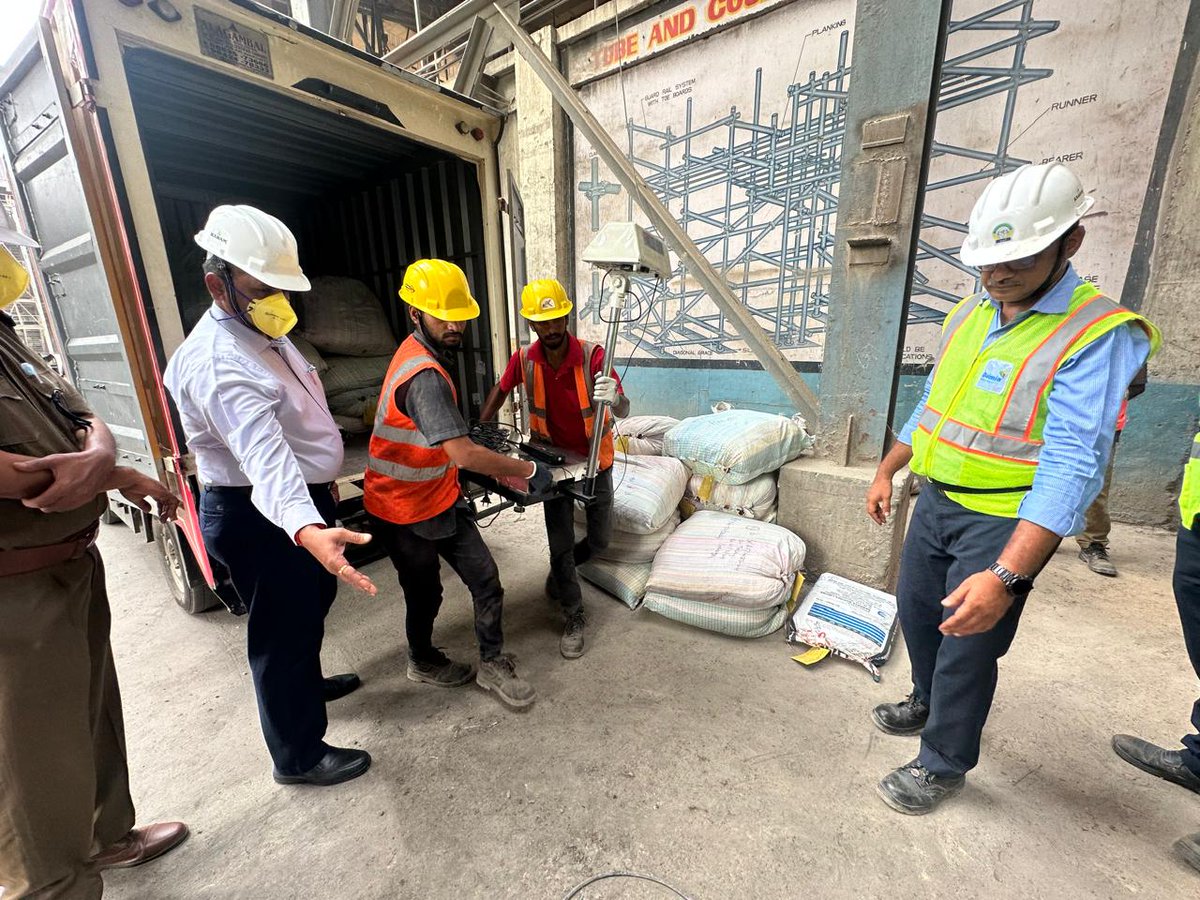
Where documentation meets the cargo.
Customs clearance is not only paperwork. It connects declarations and supporting documents with the physical cargo at ports, airports, ICDs and other customs-controlled locations.
Keep the cargo moving.
Tell us about your import, export or customs requirement and discuss the applicable logistics and clearance process.
Discuss your requirement ↗